Baby care
Sleep Training Your Baby: What the Evidence Says (and How to Start)
Is sleep training safe? When to start, the most common methods, what research in the AAP's journal Pediatrics found, and safe sleep basics. A guide from the pediatricians at Uptown Pediatrics on the Upper East Side.
By the Uptown Pediatrics team · · 6 min read
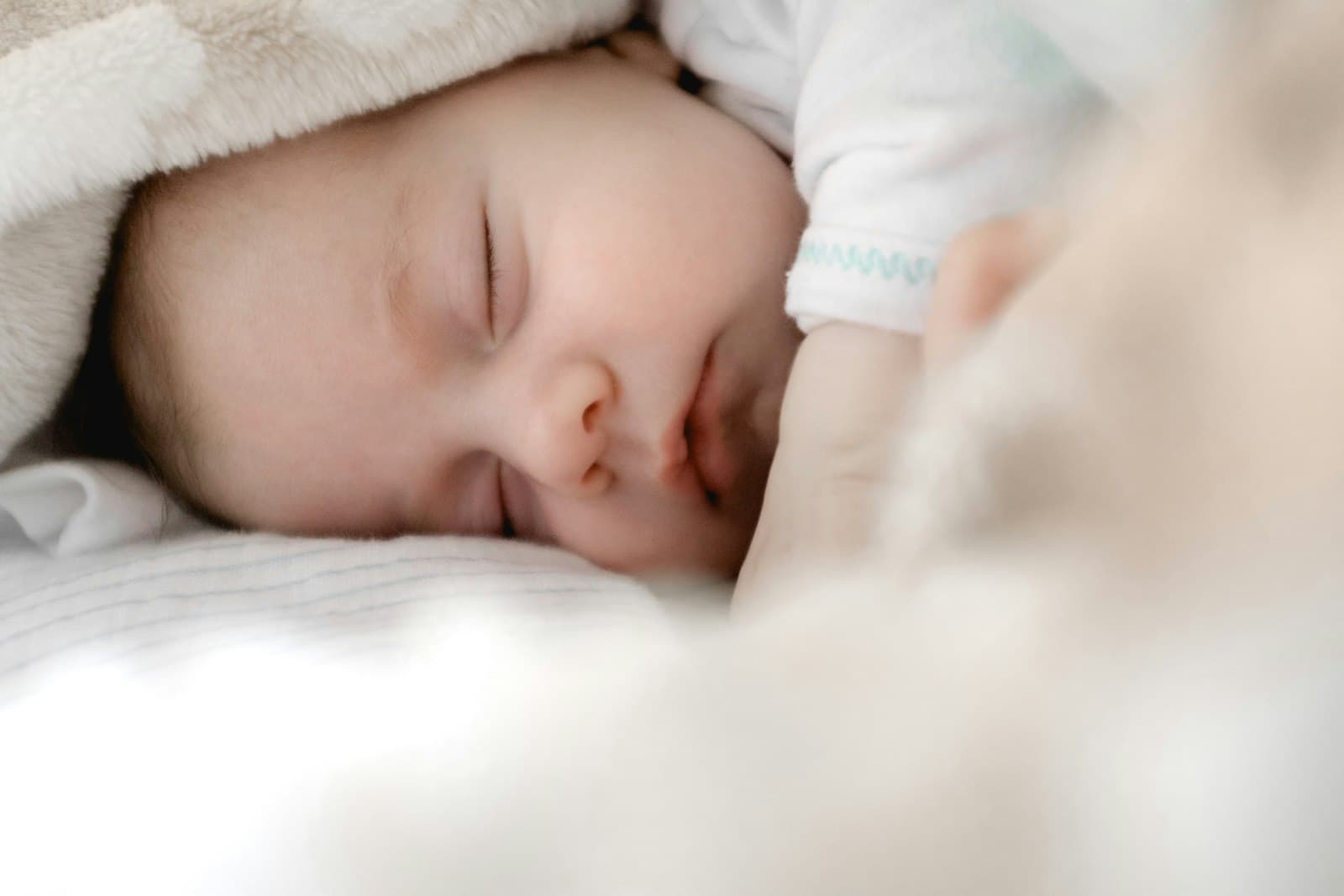
Few things affect a family as much as sleep. If your baby is waking often and everyone is exhausted, sleep training may help. Here's what the evidence says and how to get started safely.
Safe sleep comes first
Whatever approach you choose, follow the American Academy of Pediatrics (AAP) safe sleep guidelines for every sleep, naps included, until your baby's first birthday:
- Alone, on their Back, in a Crib (or bassinet or play yard) with a firm, flat mattress and a fitted sheet
- Nothing else in the sleep space: no pillows, bumpers, blankets, or stuffed animals
- No inclined sleepers, car seats, or swings for routine sleep, and no weighted sleep sacks or swaddles
- Share a room, but not a bed, ideally for at least the first 6 months
Once your baby can roll from back to tummy and back again on their own, you don't need to turn them back over. Keep putting them down on their back.
When can you start?
Newborns don't have regular sleep cycles yet. Those develop at around 4 months, so most babies are ready for sleep training somewhere between 4 and 6 months. Before you start, check in with us to make sure your baby is gaining weight well and to talk about whether they still need night feedings.
Start with a bedtime routine
A short, predictable routine signals that sleep is coming. The AAP suggests brush, book, bed: brush any teeth, read a book together, then into the crib. From about 4 months, put your baby down drowsy but awake so they learn to fall asleep on their own. Babies who are always rocked or fed to sleep often need the same help each time they wake during the night.
Common sleep training methods
- Graduated extinction ("check and console," or Ferber): Put your baby down awake and leave. If they cry, check in briefly at gradually longer intervals, offering a few calming words without picking them up.
- Bedtime fading: Temporarily move bedtime later, to when your baby naturally falls asleep quickly, then move it earlier by small steps.
- Chair method ("camping out"): Sit beside the crib as your baby falls asleep, and move your chair a little farther away every few nights.
- Extinction ("cry it out"): Put your baby down and don't return until morning (except for illness, feeding, or safety).
No single method is right for every family. The best one is the one you can stick with consistently.
Is sleep training harmful?
Studies published in Pediatrics, the AAP's journal, are reassuring. A randomized trial of graduated extinction and bedtime fading found that babies fell asleep faster and woke less often, with no differences in stress, emotional or behavioral problems, or parent-child attachment a year later. Another study followed sleep-trained children to age 6 and found no long-term harm to their emotional health, behavior, stress levels, or closeness with their parents.
Tips for success
- Pick a calm week, not one with travel, a new caregiver, or illness.
- Make sure every caregiver uses the same approach.
- Expect a few hard nights. Most families see real progress within a week or two.
- Pause if your baby is sick, then start again when they're well.
When to call us
Call us if your baby snores loudly, has pauses in breathing, isn't gaining weight, or seems to be in pain when they wake. And if you're struggling, please tell us. Exhaustion is hard, and we screen new parents for postpartum depression and anxiety and can help. Call 212-427-0540 or send a portal message.
Source: American Academy of Pediatrics, HealthyChildren.org: Getting Your Baby to Sleep and safe sleep.
Questions parents ask
When can I start sleep training my baby?
Most babies are developmentally ready between 4 and 6 months, once regular sleep cycles develop. Check with your pediatrician first about weight gain and night feedings.
Is sleep training safe for my baby?
Research published in the AAP's journal Pediatrics found that sleep training methods like graduated extinction improved sleep without long-term effects on emotional health, behavior, stress, or attachment. Always follow safe sleep guidelines.
What if my baby rolls onto their tummy at night?
Always put your baby down on their back. Once they can roll both ways on their own, you don't need to turn them back over.