Baby care
Starting Solids: When and How to Introduce Your Baby's First Foods
When to start solid foods, the signs your baby is ready, which first foods to offer, how to introduce peanut and egg early, and what to avoid before age one. Evidence-based guidance from the pediatricians at Uptown Pediatrics, following the American Academy of Pediatrics.
By the Uptown Pediatrics team · · 3 min read
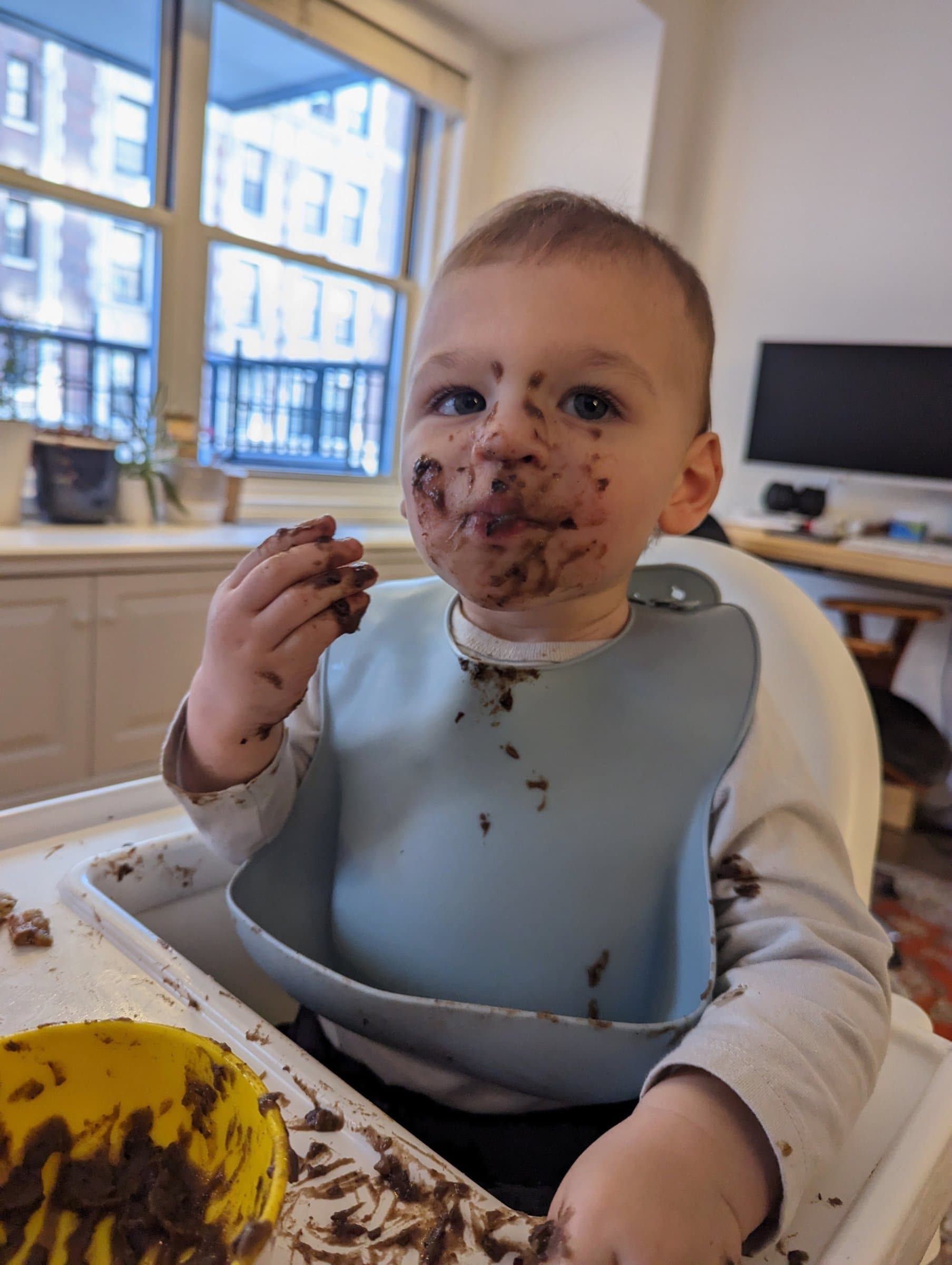
Your baby's first bites are a big milestone, and one of the topics we get the most questions about at checkups. Here's what the American Academy of Pediatrics (AAP) recommends, and how we help families on the Upper East Side get started.
When to start: around 6 months
The AAP recommends breast milk, formula, or both as your baby's only food for about the first 6 months. Most babies are ready to start solids around 6 months, and not before 4 months. Every baby is a little different, so watch your baby rather than the calendar.
Signs your baby is ready
- Holds their head steady and upright
- Sits up well with support
- Opens their mouth when food comes their way and seems curious about what you're eating
- Moves food to the back of the mouth and swallows it instead of pushing it back out with the tongue
If your baby pushes food out every time, that's normal. Wait a week or two and try again.
What to offer first
There's no required order. Good first foods include:
- Iron-rich foods, such as pureed or finely minced meat and poultry, beans, and iron-fortified infant cereal. Babies need more iron starting at about 6 months.
- Vegetables and fruits, mashed or pureed at first
- A variety of grains. If you use infant cereal, rotate oat, barley, and multigrain rather than relying only on rice cereal.
Offer one new food at a time and watch for any reaction. Many babies need to taste a new food 10 to 15 times before they accept it, so keep offering foods your baby made a face at.
Introduce peanut and egg early
The AAP now recommends introducing common allergens like peanut and egg early, around the time your baby starts solids, instead of waiting. Research shows that early introduction can help prevent food allergies, and that keeping these foods in your baby's diet regularly helps keep that protection.
- Offer peanut as smooth peanut butter thinned with water, breast milk, or formula, or as peanut powder mixed into a puree. Never give whole peanuts or spoonfuls of thick peanut butter, which are choking hazards.
- If your baby has severe eczema or an egg allergy, talk to us first. These babies have a higher risk of peanut allergy, and we may want to plan the first taste with you, as early as 4 to 6 months.
What to avoid before your baby's first birthday
- Honey, in any form, because of the risk of infant botulism
- Cow's milk as a drink (yogurt and cheese are fine). Breast milk or formula stays the main drink until 12 months.
- Juice. The AAP doesn't recommend juice before 12 months.
- Added sugar. Skip sweets and sugary drinks until at least age 2.
- Choking hazards: whole nuts, whole grapes, popcorn, round slices of hot dog, hard raw vegetables, and chunks of meat or cheese. Cut food into small, soft pieces.
Purees or baby-led weaning?
Both can work. If you'd like to offer soft finger foods instead of (or alongside) purees, make sure pieces are soft enough to mash between your fingers and cut to a safe size. Whatever you choose, your baby should always eat sitting upright and supervised.
Water and cups
Once your baby starts solids, you can offer small sips of water from an open or straw cup with meals. Your baby still gets most of their nutrition from breast milk or formula until their first birthday.
We're here to help
Starting solids usually comes up at your baby's 4- and 6-month checkups, and we're happy to make a plan with you. If your baby has eczema, a known food allergy, trouble swallowing, or isn't gaining weight well, let us know before you start. Questions? Call 212-427-0540 or send a portal message.
Source: American Academy of Pediatrics, HealthyChildren.org: Starting Solid Foods and When to introduce egg, peanut butter and other common food allergens.
Questions parents ask
When should my baby start solid foods?
The American Academy of Pediatrics recommends starting solids around 6 months, and not before 4 months, once your baby shows signs of readiness like good head control and sitting with support.
Should I wait to give my baby peanut or egg?
No. The AAP recommends introducing peanut and egg early, around the time solids start, and keeping them in the diet. If your baby has severe eczema or an egg allergy, talk to your pediatrician first.
Can my baby have honey?
Not before 12 months. Honey can cause infant botulism in babies under one year old.